

How to Calm an Anxious Dog: Causes, Tips & Solutions


If you're wondering how to calm an anxious dog, you're not alone. Anxiety affects dogs of all ages and breeds, often leading to restless behavior and emotional distress. Understanding the causes and using the right calming techniques can help your dog feel more secure, confident, and comfortable in everyday situations.
What Causes Anxiety in Dogs?
Understanding the root cause is the first step in learning how to calm an anxious dog. Anxiety isn't a personality trait, it's a response to situations that make a dog feel threatened, overwhelmed, or uncertain. While some dogs naturally have a more sensitive temperament, anxiety can develop at any stage of life.
Identifying what triggers your dog's stress allows you to choose the most effective solution instead of simply treating the symptoms.
Separation Anxiety
One of the most common forms of anxiety occurs when a dog becomes distressed after being left alone. Dogs are naturally social animals, and many develop strong emotional bonds with their owners. When separated for extended periods, they may experience panic, leading to behaviors such as excessive barking, whining, destructive chewing, scratching at doors, or pacing around the house.
Separation anxiety often develops after significant life changes, including moving to a new home, changes in work schedules, or adoption from a shelter.
Loud Noises
Thunderstorms, fireworks, construction work, and even household appliances can frighten some dogs. Because dogs hear frequencies that humans cannot detect, sounds that seem minor to us may feel overwhelming to them.
Fear caused by loud noises often results in trembling, hiding, excessive panting, or attempts to escape. Some dogs continue feeling anxious long after the noise has stopped.
New Environments
Dogs rely heavily on familiar surroundings to feel safe. Visiting a new home, staying at a boarding facility, traveling, or meeting unfamiliar people and animals can create uncertainty.
While confident dogs usually adapt quickly, others need more time and reassurance before feeling comfortable in a different environment.
Lack of Socialization
Dogs that were not exposed to different people, places, sounds, and experiences during puppyhood are generally more likely to become anxious later in life.
Without positive early experiences, everyday situations may appear threatening. Fortunately, gradual exposure combined with positive reinforcement can improve a dog's confidence over time.
Previous Traumatic Experiences
Rescue dogs or pets that have experienced neglect, abuse, or frightening events may carry emotional scars for years. Certain sounds, objects, or situations can trigger fearful reactions, even if they no longer present any danger.
Building trust with these dogs requires patience, consistency, and understanding rather than punishment.
How to Tell if Your Dog Is Anxious
Before deciding how to calm an anxious dog, it's important to recognize the signs of anxiety. Dogs communicate primarily through body language, and subtle behavioral changes often appear long before obvious symptoms develop.
Common signs include:
-
Excessive barking or whining
-
Trembling or shaking
-
Constant pacing
-
Heavy panting without exercise
-
Hiding behind furniture or people
-
Drooling more than usual
-
Destructive chewing
-
Digging or scratching doors
-
Excessive licking of paws or body
-
Loss of appetite
-
Restlessness and inability to settle
Some dogs display only one or two symptoms, while others show several at once. Paying attention to when these behaviors occur can help you identify specific triggers.
For example, if your dog becomes anxious only when you're leaving the house, separation anxiety may be the cause. If the symptoms appear during storms or fireworks, loud noises are the more likely trigger.
Why Early Intervention Matters
Many owners assume their dog will eventually outgrow anxiety, but this isn't always the case. Left untreated, mild anxiety can gradually become more severe, affecting both your dog's physical health and emotional well-being.
Chronic stress may weaken the immune system, reduce appetite, interfere with sleep, and even contribute to digestive issues. It can also strain the relationship between you and your pet if unwanted behaviors become more frequent.
The good news is that most anxious dogs improve significantly with patience, consistent routines, and positive training methods. Learning how to calm an anxious dog early gives your companion the best chance to build confidence and enjoy a happier, healthier life.
How to Calm an Anxious Dog: 12 Effective Techniques
Once you understand what's causing your dog's stress, it's time to focus on how to calm an anxious dog using safe, practical, and long-term solutions. While every dog responds differently, combining several calming techniques often produces the best results. The goal isn't just to stop anxious behavior but to help your dog feel genuinely secure and confident.
1- Establish a Consistent Daily Routine
Dogs feel safest when they know what to expect. Feeding, walking, playtime, and bedtime should happen at roughly the same time each day.
A predictable schedule reduces uncertainty and gives your dog a sense of stability. Even small changes to your routine can sometimes increase anxiety, especially in sensitive dogs.
2- Provide Plenty of Physical Exercise
Regular exercise is one of the most effective answers to how to calm an anxious dog. Physical activity releases energy, improves mood, and helps reduce stress naturally.
The amount of exercise depends on your dog's breed, age, and overall health. High-energy breeds may need long walks, hiking, or active games like fetch, while smaller or older dogs often benefit from shorter but more frequent walks.
Remember that a tired dog is usually a calmer dog.
3- Keep Your Dog Mentally Stimulated
Mental exercise is just as important as physical activity.
Interactive toys, puzzle feeders, scent games, and short obedience sessions challenge your dog's brain and reduce boredom, which is often linked to anxiety.
Teaching new commands or practicing familiar ones for just a few minutes each day can improve both confidence and focus.
4- Create a Safe Space
Every dog should have a quiet place where they can relax without feeling disturbed.
This could be a comfortable bed in a peaceful room, a crate if your dog has been properly crate-trained, or a favorite corner filled with familiar blankets and toys.
When stressful situations occur, such as fireworks or visitors, your dog will have a safe retreat where they feel protected.
5- Use Positive Reinforcement
Rewarding calm behavior is much more effective than punishing anxious behavior.
Whenever your dog remains relaxed during a situation that would normally trigger anxiety, immediately offer praise, affection, or a favorite treat.
Positive reinforcement builds confidence and helps your dog associate previously stressful situations with positive experiences.
6- Stay Calm Yourself
Dogs are remarkably skilled at reading human emotions.
If you become frustrated, nervous, or raise your voice, your dog may interpret your behavior as confirmation that something is wrong.
Instead, speak softly, move calmly, and project confidence. Your relaxed attitude can help reassure an anxious dog.
Turn Special Moments into Lasting Memories
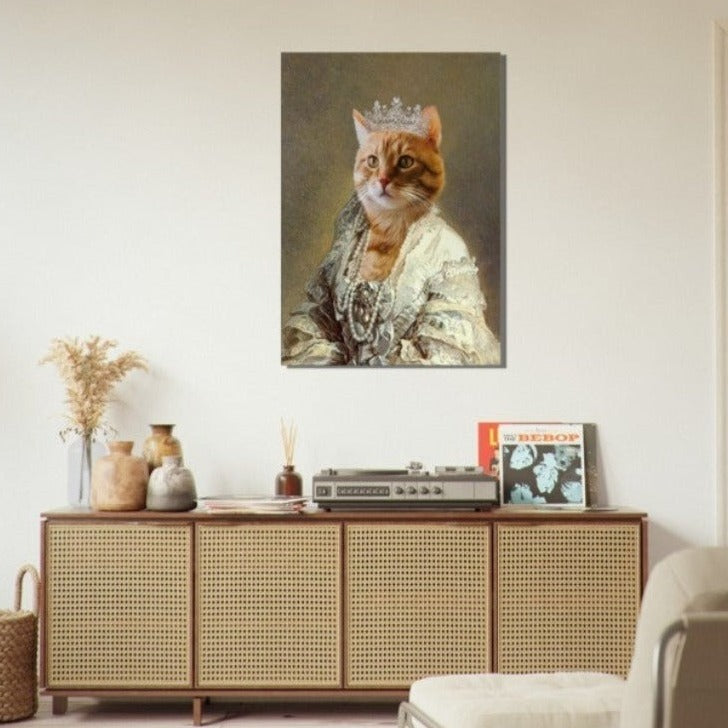
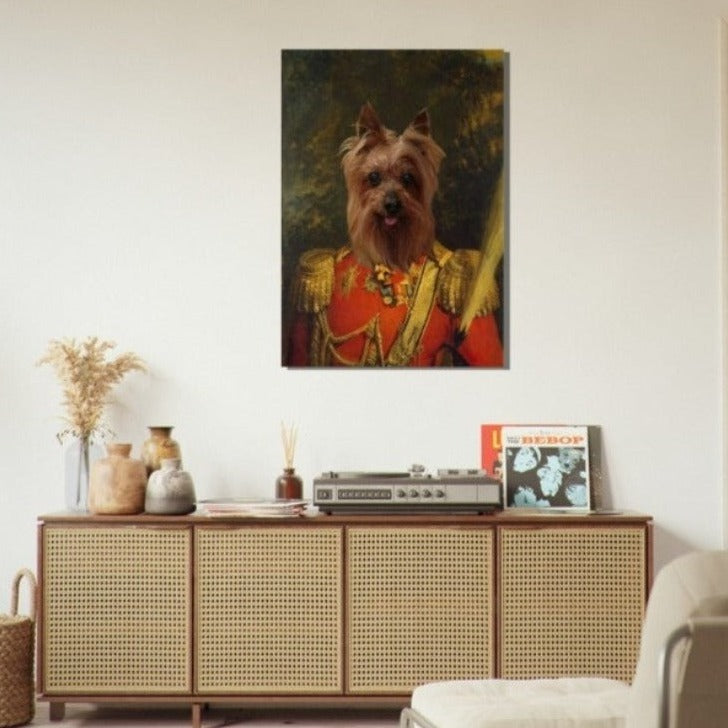
Every dog has a personality that makes them unforgettable. Whether your companion is energetic, gentle, protective, or simply loves staying close to you, those unique traits deserve to be celebrated.
Transform your favorite photo into a beautiful Custom Pet Portrait, professionally illustrated by talented artists who capture every expression and detail. It's a meaningful way to celebrate the bond you share while creating timeless artwork you'll proudly display for years to come.
7- Introduce New Experiences Gradually
If your dog becomes anxious around strangers, new places, or unfamiliar sounds, avoid forcing them into stressful situations.
Instead, introduce new experiences slowly and at a pace your dog can handle.
For example, if your dog is nervous around other dogs, begin by observing from a comfortable distance before gradually moving closer over multiple sessions.
This gradual exposure helps your dog develop confidence without becoming overwhelmed.
8- Try Calming Music or White Noise
Soft classical music, calming playlists designed for dogs, or white noise machines can help mask sudden outdoor sounds that often trigger anxiety.
Many owners notice that relaxing background sounds help their dogs settle more quickly during storms or when left home alone.
9- Avoid Punishment
Punishing an anxious dog rarely solves the problem.
Fear-based behaviors cannot simply be corrected through discipline because the dog isn't choosing to misbehave, they're reacting emotionally to something they perceive as threatening.
Instead of punishment, focus on understanding the trigger and teaching alternative behaviors through patience and positive reinforcement.
10- Practice Short Periods of Independence
If separation anxiety is the problem, gradually teach your dog that being alone is safe.
Start by leaving the room for a minute or two before returning calmly. Slowly increase the time over several weeks.
This gradual approach teaches your dog that you always come back, reducing panic when you're away.
11- Consider Calming Products
If you're still wondering how to calm an anxious dog after trying lifestyle changes, certain calming products may provide additional support. Items such as anxiety wraps, calming beds, pheromone diffusers, and veterinarian-approved calming supplements can help some dogs feel more relaxed.
Keep in mind that these products work best when combined with proper training and a consistent routine. They are designed to support your efforts, not replace them.
Always consult your veterinarian before introducing new supplements or products, especially if your dog has existing health conditions or takes medication.
12- Speak to Your Veterinarian or a Professional Trainer
Some dogs experience severe anxiety that cannot be managed through home techniques alone.
If you've consistently applied the strategies above but your dog's anxiety continues to worsen, professional guidance can make a significant difference.
A veterinarian can rule out medical conditions that may be contributing to anxiety, while a qualified dog trainer or behaviorist can develop a personalized training plan based on your dog's specific needs.
Seeking help early often prevents anxiety from becoming a long-term behavioral issue.
Mistakes That Can Make Dog Anxiety Worse
When learning how to calm an anxious dog, it's equally important to understand what not to do. Even well-meaning owners sometimes reinforce anxiety without realizing it.
Punishing Fearful Behavior
Scolding or yelling at an anxious dog usually increases fear rather than reducing it. Your dog isn't being stubborn, they're reacting emotionally to a situation they find stressful.
Ignoring Mental Stimulation
Physical exercise alone isn't enough for many dogs. Without activities that challenge their mind, boredom can quickly develop into anxiety or destructive behavior.
Changing Routines Too Often
Dogs appreciate consistency. Frequently changing feeding times, sleeping arrangements, or daily schedules may create unnecessary uncertainty.
Leaving Your Dog Alone for Long Periods
Extended periods of isolation can make separation anxiety much worse. If your schedule requires long hours away from home, consider asking a trusted friend, family member, or dog walker to visit during the day.
Expecting Immediate Results
Reducing anxiety takes time. Some dogs improve within a few weeks, while others need several months of patient training and positive experiences before noticeable changes occur.
When Should You See a Veterinarian?
Although anxiety is common, sudden or severe behavioral changes should never be ignored.
Contact your veterinarian if your dog experiences:
-
Anxiety that appears suddenly without an obvious cause.
-
Loss of appetite or weight.
-
Continuous pacing that doesn't stop.
-
Aggressive behavior linked to fear.
-
Excessive drooling or panting without exercise.
-
Self-injury caused by excessive licking or chewing.
-
Difficulty sleeping or resting.
-
Signs of pain or physical discomfort.
Medical conditions such as thyroid disorders, chronic pain, neurological problems, or age-related cognitive decline can sometimes appear as anxiety.
Your veterinarian can identify underlying health issues and recommend the most appropriate treatment plan.
Can Anxiety in Dogs Be Prevented?
While not every case can be prevented, many dogs develop confidence through positive daily experiences.
You can reduce the risk of anxiety by:
-
Socializing puppies from an early age.
-
Maintaining consistent routines.
-
Providing daily physical exercise.
-
Offering regular mental enrichment.
-
Using reward-based training methods.
-
Creating positive experiences with new people, places, and sounds.
-
Scheduling routine veterinary checkups.
Prevention is often easier than correcting deeply established anxious behaviors later in life.
Frequently Asked Questions
How do I calm an anxious dog quickly?
Move your dog to a quiet, familiar environment, speak calmly, and remove the source of stress if possible. Gentle reassurance, calming music, and a favorite toy may also help your dog relax.
What is the best thing for an anxious dog?
The best approach depends on the cause of the anxiety. Most dogs benefit from a combination of regular exercise, mental stimulation, positive reinforcement, consistent routines, and professional guidance when necessary.
Why is my dog suddenly anxious?
Sudden anxiety may result from illness, pain, aging, traumatic experiences, environmental changes, or unfamiliar situations. A veterinary examination is recommended if the behavior begins unexpectedly.
Can exercise reduce anxiety in dogs?
Yes. Regular physical activity helps release excess energy, improves mood, and reduces stress hormones. Combining exercise with mental enrichment often produces the best long-term results.
Should I comfort my anxious dog during a panic episode?
Yes, but remain calm and avoid reinforcing fearful behavior with excessive excitement. Offer reassurance through a relaxed voice, gentle presence, and a safe environment while helping your dog regain confidence.
Celebrate the Dog Who's Always by Your Side
Every dog has a story worth remembering. From playful adventures and loyal companionship to the little habits that make them unique, these moments deserve to be treasured for years to come.
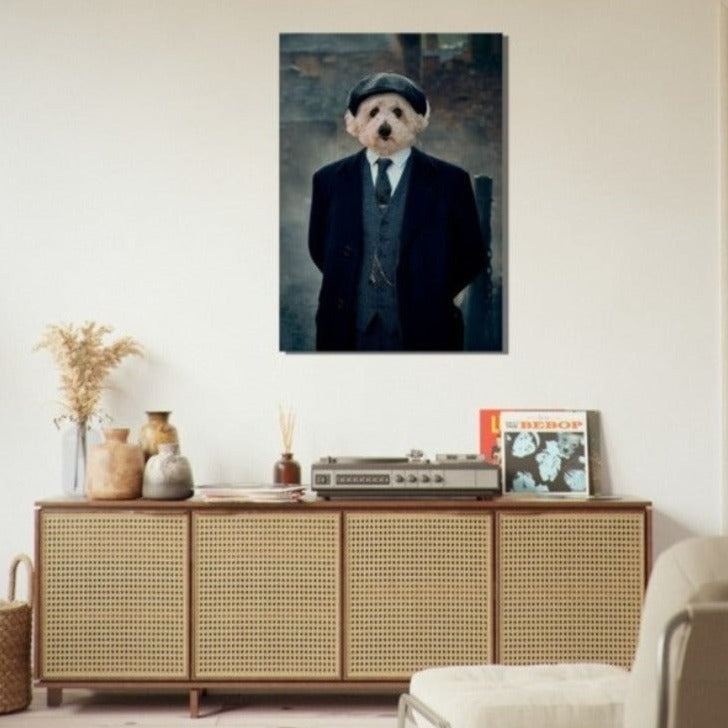
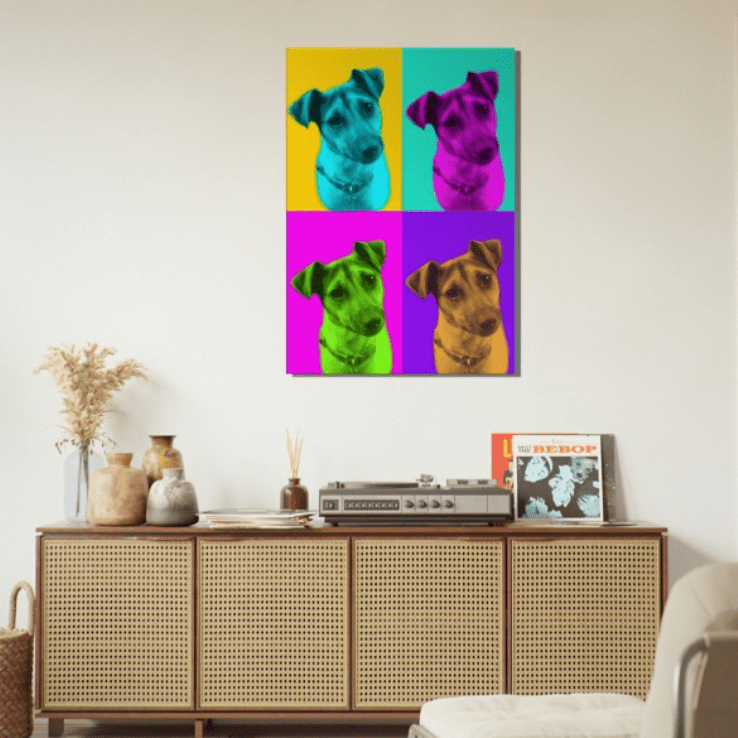
Turn your favorite photo into a beautiful Hand Drawn Pet Portrait, carefully created by professional artists who capture your dog's personality in every detail. Whether you're decorating your home or searching for a meaningful gift, it's a timeless way to celebrate the unconditional love only a dog can give.






0 comentario